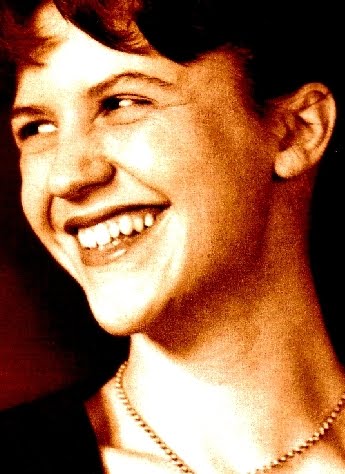
Showing posts with label visual text. Show all posts

Friday, May 28, 2010

Letters to Dead People

Letters to Dead People is an ongoing project by Celine Song. On the project's Facebook page, Song describes it as "Letters to people with no physical heartbeat, emptied bladder, dilated pupils, no consumption of air."

The template of these letters is always the same: a black background in the shape of a square upon which is typed, in caps-lock white font, a short letter written to a famous person who has died. The length of the letters vary (the shortest one, addressed to J.R.R. Tolkien, reads simply: "GEEK"). The letters are by turn serious, funny, or inspiring, but each of them captures, in the most concise way possible, a certain aspect of each dead person's life or legacy.

This is Celine Song's letter to Sylvia Plath, which can also be found here at her website:

Wednesday, May 26, 2010

Graffiti in the Name of Plath


Not all graffiti is a detriment to the surrounding area: in fact, this artist appears to have used graffiti in order to spread the words of famous people. Featured beneath a quote by Leonard Cohen is a line from Sylvia Plath's poem "Lady Lazarus." This is similar to many of the images featured by the Free Verse Project, although this representation of Plath's work seems far more permanent.

Tuesday, May 25, 2010

Sunday, May 23, 2010

Banana Poetry

Interestingly, modern artists seem to be finding new ways to interpret poetry, including Sylvia Plath's work. Poets.org, which is run by the Academy of American Poets, has dedicated an entire section of its website to the Free Verse Project (also viewable at their Flickr site), in which users can choose a favorite verse, create a visual representation of it, and submit it for display on the Poets.org website.

An example is a quote from Plath's poem "Face Lift," which has been etched into a series of banana peels. Not only does the image correspond nicely with the words (the poetry regarding skin being peeled is carved onto the interior, fleshy skin peeled from the banana), but this is a way to utilize a unique canvas to visually represent Plath's poetry.